
Godzilla 2000 Guide: Rushdown Pressure and Spiral Breath
How to play Godzilla 2000 in the remaster: the faster Godzilla's pressure game, spiral breath punishes, Rage timing, and the matchups where speed fails.
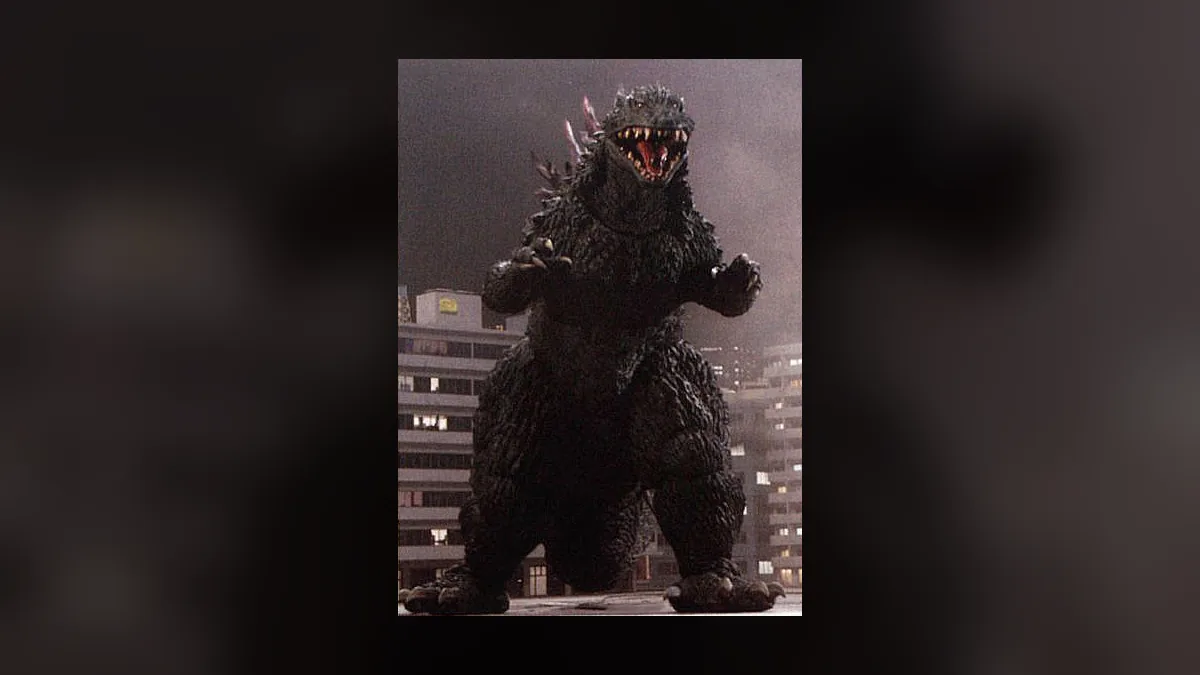
Godzilla 2000 is the aggressive answer to the default Godzilla. He moves faster, pressures earlier, and trades some of the original's durability for a more proactive neutral game. If Godzilla is the patient bruiser, Godzilla 2000 is the one who wants to be in your face before you have finished your first beam.
That speed comes with a cost. Godzilla 2000 commits harder, and his recovery is less forgiving when he guesses wrong. He is a good pick for players who already understand blocking and spacing, not for players who are still learning the controls.
What makes him different
The remaster keeps the 2002 roster's archetypes. Godzilla 2000 was the faster, more aggressive version of Godzilla, and the remaster preserves that identity. His walk speed and dash are better, his pressure strings come out faster, and his ranged attack is a tool for covering an approach rather than a zoning plan.
He is not a completely different character. He still has a beam, a grab, and heavyweight normals. The difference is the tempo: Godzilla 2000 wants to start the exchange, while Godzilla is content to let the opponent start it.
Spiral breath. His ranged attack is a beam with a faster startup than the default Godzilla's atomic breath, or at least a more forward-moving animation. Treat it as a pressure extender: fire it when the opponent is backing away, then follow the beam in. Do not treat it as a full-screen zoning tool.
Rushdown strings. His light attacks chain into forward-moving pressure. The goal is not a long combo; it is to push the opponent toward the corner while keeping them blocking.
Grab. The grab is still slow, but it is the answer to a turtle. Use it after a blocked string, not as a raw opener.
If you stand at max range and fire the beam, you are playing a worse version of King Ghidorah. Godzilla 2000's advantage is the threat of an approach. Use the beam to cover the approach, not to replace it.
The neutral game
The basic loop:
- Move forward with purpose. Do not drift.
- If the opponent respects you, take the space.
- If the opponent attacks, block or sidestep and punish.
- If the opponent backs into the corner, pressure with light strings and threaten the grab.
The hard part is knowing when to stop. Godzilla 2000's pressure is strong, but he is not invincible. If you keep attacking after the opponent has recovered, you will eat a punish. The character rewards a player who can pressure for three seconds and then reset.
Rage Mode
Godzilla 2000's Rage Mode is a close-range snowball. Activate it when:
- The opponent is cornered.
- You have just landed a knockdown.
- You need to steal a round and the opponent is respecting your pressure.
Do not activate it at long range. The opponent will back off, and you will waste the duration. If you activate at mid-range, use the enhanced speed to close the gap, not to fire more beams.
During Rage, favor light strings into grab. The threat of the grab forces the opponent to stop blocking, which opens the heavy attack. The mix-up is simple, but it works at launch because most players have not seen it enough times to adapt.
Godzilla 2000's animations are faster, but they are still committal. A whiffed heavy is a free punish. Do not confuse "fast" with "safe."
Matchups
Vs. Godzilla. The default Godzilla is slower but more durable. You want to dictate the pace and avoid a prolonged neutral. If the match slows down, the default Godzilla's weight and beam become more valuable. Keep the pressure on.
Vs. King Ghidorah. This is a difficult matchup. Ghidorah's wide normals and beams control the space you want to run through. Use sidesteps, close in bursts, and punish his slow recovery. Do not try to out-zone him.
Vs. Mechagodzilla. Mechagodzilla's armor can absorb your first hit. Use the grab more often, and do not autopilot the same string. If he backs away, close the distance with a sidestep, not a straight dash.
Vs. Kiryu. Kiryu's freeze tools can stop your pressure. Avoid running into a setup, and do not fire the beam when he is waiting for it. The matchup is about patience; you have the speed advantage, but he has the better defensive tools.
Vs. Gigan. A fast mirror-style matchup. Both characters want to mix up. The player who blocks better wins. Do not try to out-speed Gigan; punish his commitments.
Vs. Rodan. Rodan attacks from the air. Use your beam to cover his landing and your wide normals when he circles. Do not chase him into the air.
Vs. Megalon. Megalon's grabs beat your blocking. Sidestep more and avoid the corner. Your speed lets you escape his pressure if you do not panic.
Vs. Destoroyah. Destoroyah hits harder, but he is slower. Use your speed to bait his commitments and punish the recovery. Do not trade hits.
Vs. Orga. Orga is stable at every range. You want to overwhelm him before he settles. If the match goes long, his stability becomes an advantage.
Vs. Anguirus. Anguirus is short and can make your high attacks whiff. Use low attacks and grabs, and do not assume your string will connect.
Vs. Mecha-King Ghidorah. His traps require setup. Stay mobile, avoid the cables, and punish when he commits to a slow tool.
Beginner mistakes
Playing like default Godzilla. If you stand back and beam, you are wasting the character's speed. Close the distance.
Overcommitting. Speed makes it tempting to keep pressing. Learn to reset after a blocked string.
Ignoring the grab. A blocking opponent will stop your pressure. The grab is the answer.
Using Rage at range. Activate it when you are already close, or when you can close immediately.
Chasing Rodan. Do not follow an aerial character into the air. Punish the landing.
A simple game plan
- Round start: move forward, claim space, do not fire the beam immediately.
- If ahead: keep the pressure, but reset after a blocked string.
- If behind: use Rage after a knockdown, then pressure with light strings and grabs.
- In the corner: block, sidestep, and look for a beam punish. Do not try to out-mash a grappler.
- Last hit: use a fast light string, not a slow heavy.
Godzilla 2000 is a character who rewards confidence and punishes recklessness. The best players use his speed to dictate the pace, not to run into every exchange. If you can pressure for three seconds and then reset, you will win more than you lose.
Official source: Godzilla: Destroy All Monsters Melee Remastered Trailer Reveals Full 12-Kaiju Roster
For the next read, compare the tier list and the unlock route.
Sources and verification
- The official Godzilla roster article confirms Godzilla 2000 as one of the 12 playable kaiju.
- Steam confirms the Rage Mode and the single-player campaign structure.
- TOHO Kingdom's original specifics provides the 2002 character context.
- Wikizilla tracks the remaster's roster.
The remaster may adjust damage and frame data from the 2002 release. This guide describes the character's design identity, not unpublished numbers.
More Godzilla: Destroy All Monsters Melee Remastered Guides
How to play Mecha-King Ghidorah in the remaster: using cable traps and gravity beams to control space, and why the setup character is harder than King Ghidorah.
How to play the Showa Mechagodzilla in the remaster: armor trades, missile pressure, beam zoning, and the close-range weakness that keeps him honest.
How to play Megalon in the remaster: using the drill to close space, punishing blocks with grabs, and turning a corner into a win condition.
How to play Orga in the remaster: using the shoulder cannon to cover his approach, controlling space with grabs, and why he is a safe second pick.
Start with the right mode, learn blocking and Rage Mode, and avoid the five mistakes that lose most launch-week matches. A practical first-session plan.
How to play Rodan in the remaster: using flight and speed to avoid grounded fights, the heat beam's role, and the matchups that punish reckless dives.
How the control scheme works on PS5, Xbox, Switch 2, and PC, the inputs that matter in a fight, and the settings worth changing before your first online match.
Local split-screen, four-player sessions, and the new online mode explained. What is confirmed, what is still unclear, and how to set up a match.